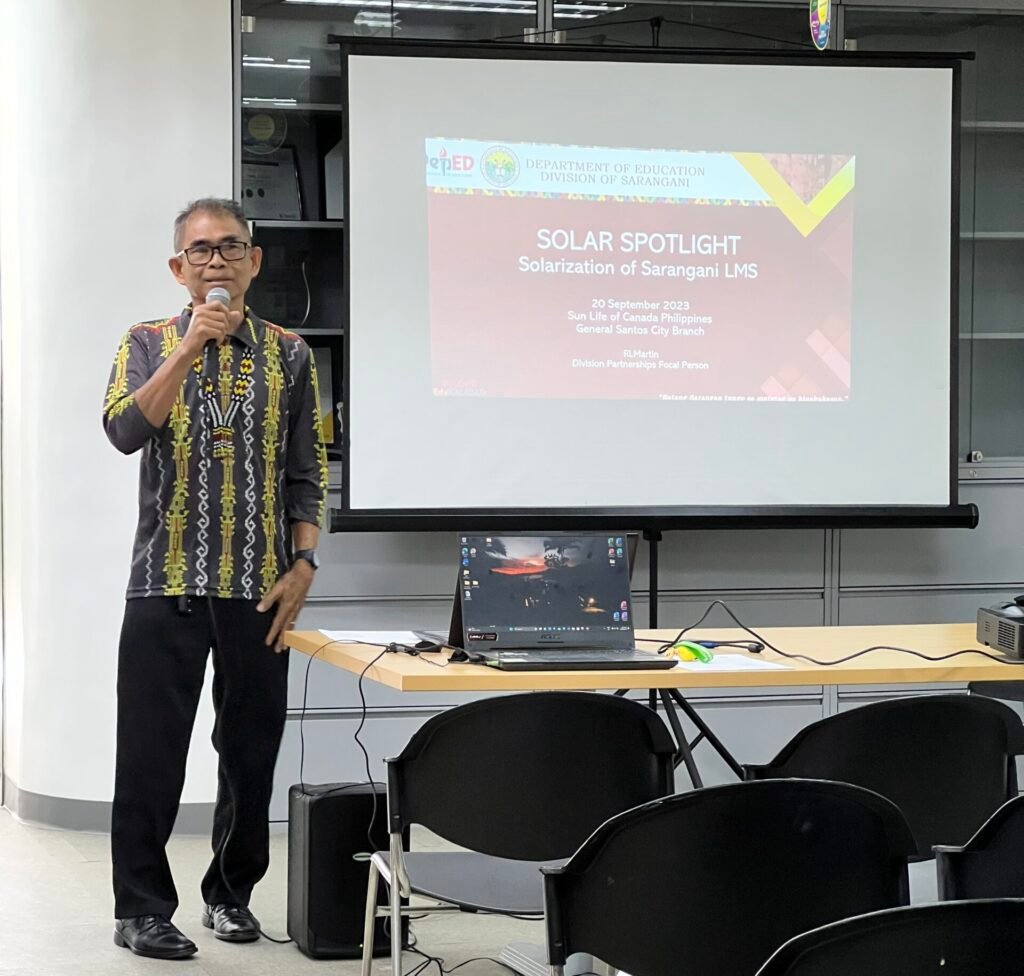
I flew into General Santos City 3 years ago expecting a hard day. I was there to meet teachers from Last Mile Schools in South Cotabato — beneficiaries of a foundation partnership— and going in, I’d braced myself for stories that would be quietly devastating to hear.
I was wrong about almost everything I expected, and that gap between what I braced for and what I actually encountered is the part I haven’t stopped thinking about since.
What “last mile” actually means
These are off-grid schools reachable only through genuinely difficult terrain — a trek of one and a half to two hours on a good day, longer when it rains. Some teachers ride motorcycles built for the terrain; others can only get there on horseback, or on foot, crossing rivers along the way. One teacher told me his commute involved crossing twenty-seven rivers and riding a horse for the final stretch. That’s not a metaphor for a hard day at work. That’s Monday.
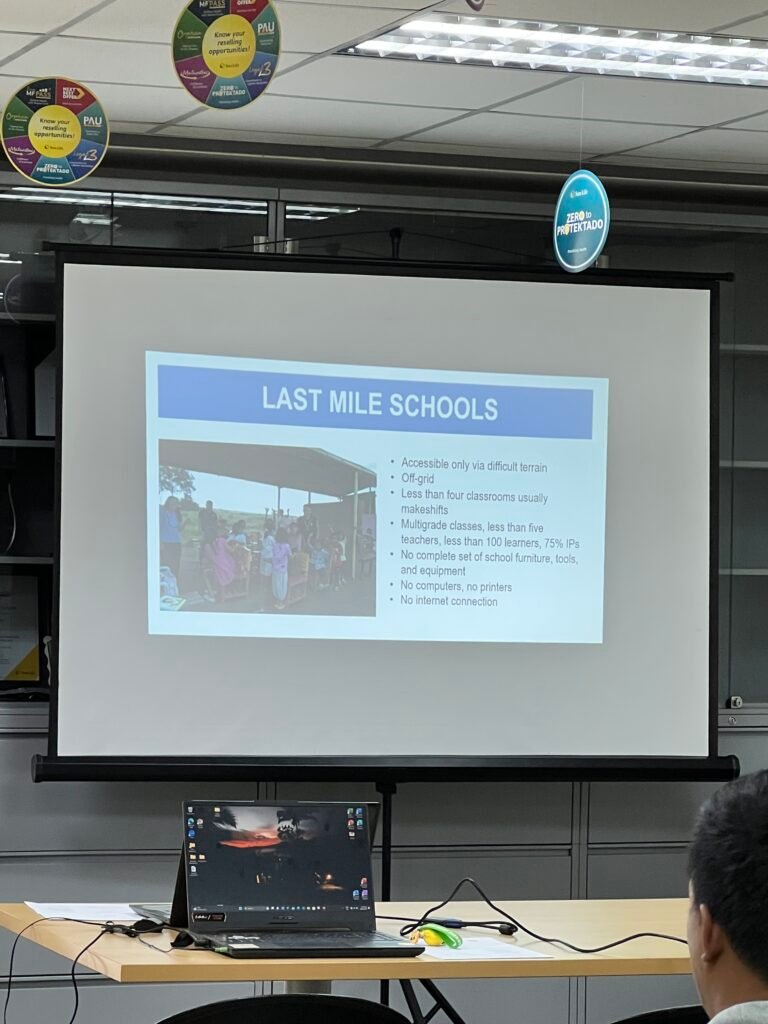
The schools themselves often have fewer than four classrooms, some with roofs made of cogon grass, serving fewer than a hundred students — many of them indigenous communities — with sometimes only one teacher covering every grade level at once. No consistent electricity. No printers. Limited to no internet. A single teacher building lesson plans for Kinder through Grade 6 simultaneously, then teaching, grading, and monitoring all of it, alone.
What I expected to feel, and what I actually found
I expected exhaustion. What I found instead was some of the most energized, genuinely joyful people I’ve met — teachers who’d turned their own hardship into running jokes about how far their schools were, who showed up to share their stories with more lightness than I felt entitled to witness, given what they’d just described.
That contrast is the entire lesson, as far as I’m concerned. These weren’t people who had figured out how to tolerate a difficult life. They were people who had made a deliberate, repeated choice about what mattered enough to keep choosing it — and the resourcefulness that choice demanded from them, day after day, with almost none of the tools most of us consider baseline requirements for doing our jobs.
The reframe I keep coming back to
I spend a lot of my time talking about “life design” to an audience that, myself included, has considerably more resources to design with — time, tools, flexibility, income stability. It would be easy for a framework like Life as a Project to read as a privilege exercise if I never sat with what it actually looks like to design intentionally with almost nothing.
These teachers didn’t have the resources most productivity or life-design content assumes as a starting point. What they had was clarity about their “why,” and they protected that clarity fiercely — even when the terrain, the pay, and the conditions gave them every reason not to. Non multa, sed multum — not many, but much. It isn’t about how many people you’re able to help. It’s about how far the people you do reach are able to go because of you.
I don’t think the lesson here is “stop complaining, look how hard they have it.” That’s too easy, and it flattens what actually moved me. The real lesson is narrower and harder to sit with: resourcefulness isn’t a personality trait some people are lucky enough to have. It’s a decision, renewed daily, about what you’re willing to keep showing up for — regardless of what you have to show up with.
Moving by design, not by default.
#LifeAsAProject #Resourcefulness #TeachersOfInstagram #IntentionalLiving #GratitudeAndGrowth