I’m a PMP-certified project manager. I’m a licensed financial advisor. I spend a meaningful part of my professional life talking to people about risk — how to identify it, plan for it, respond to it.
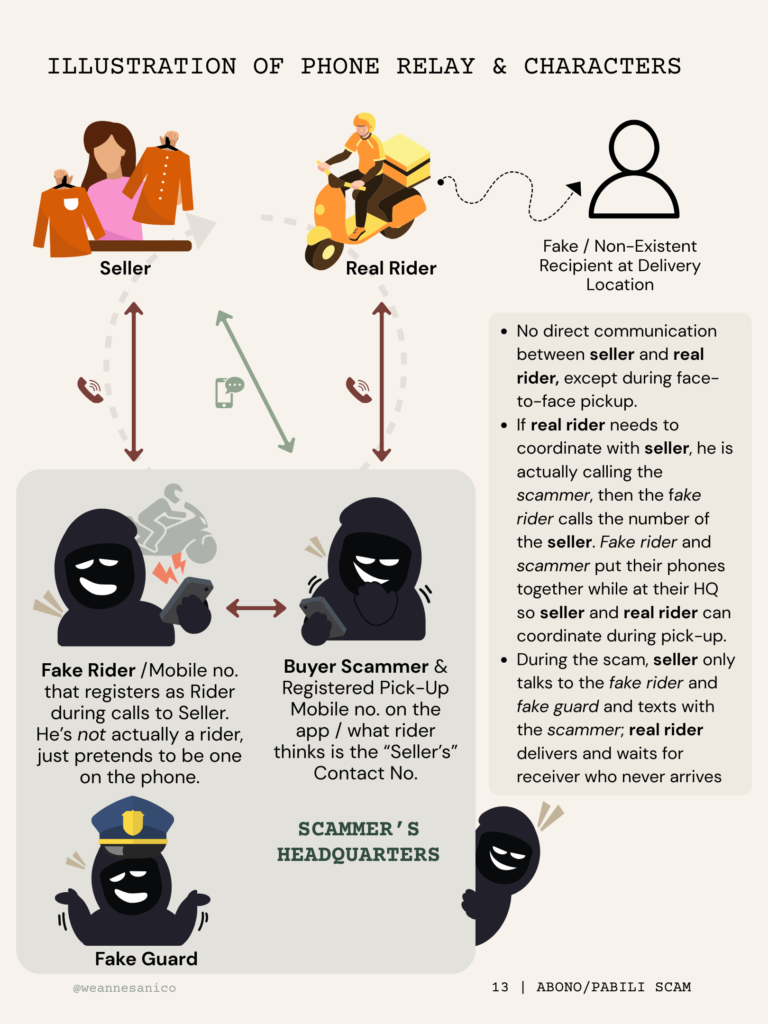
And I still got scammed as a seller.
I’m sharing this not because it’s flattering, but because it was, without question, the single most useful thing that’s happened to my thinking about risk management in the last few years — more instructive than any exam, any training, any client conversation.
What happened
I was selling an item online — the kind of everyday, low-stakes transaction most of us do without thinking twice. A buyer reached out, seemed legitimate, and we moved the conversation forward the way these things usually go: agreeing on payment, arranging the handoff. Everything about the pacing and the tone was designed to feel normal, because that’s the actual mechanics of a scam — it doesn’t announce itself. It mirrors an ordinary transaction closely enough that your guard has no reason to go up.
By the time something felt off, the “off” feeling arrived after the money had already moved, not before. That’s the part that stayed with me longest — not the loss itself, but how late the warning signal came, and how ordinary everything looked right up until it didn’t.
Why my certifications didn’t protect me
Here’s the uncomfortable truth: knowing risk management frameworks professionally does not automatically make you immune to risk personally. I know how to build a risk register for a nationwide rollout. I did not have a risk register for a Tuesday afternoon online sale, because I’d never categorized ordinary personal transactions as something that needed one.
That’s the actual lesson, and it’s bigger than scams: the risks that get you are rarely the ones you’ve been trained to watch for. They’re the ones you’ve unconsciously decided don’t need a plan.
What I’d tell you to actually watch for
Without turning this into a checklist that gives a bad actor a script to route around, the pattern worth internalizing is this: urgency and unusual payment requests are doing work. A buyer or payer who pushes you to move faster than feels natural, or who wants to pay through a channel that’s harder to trace or reverse, is very often manufacturing pressure on purpose — because pressure is what stops people from pausing to verify. The single most protective habit isn’t a rule about specific platforms or specific phrases. It’s building in a pause before anything moves, every time, regardless of how legitimate the person seems.
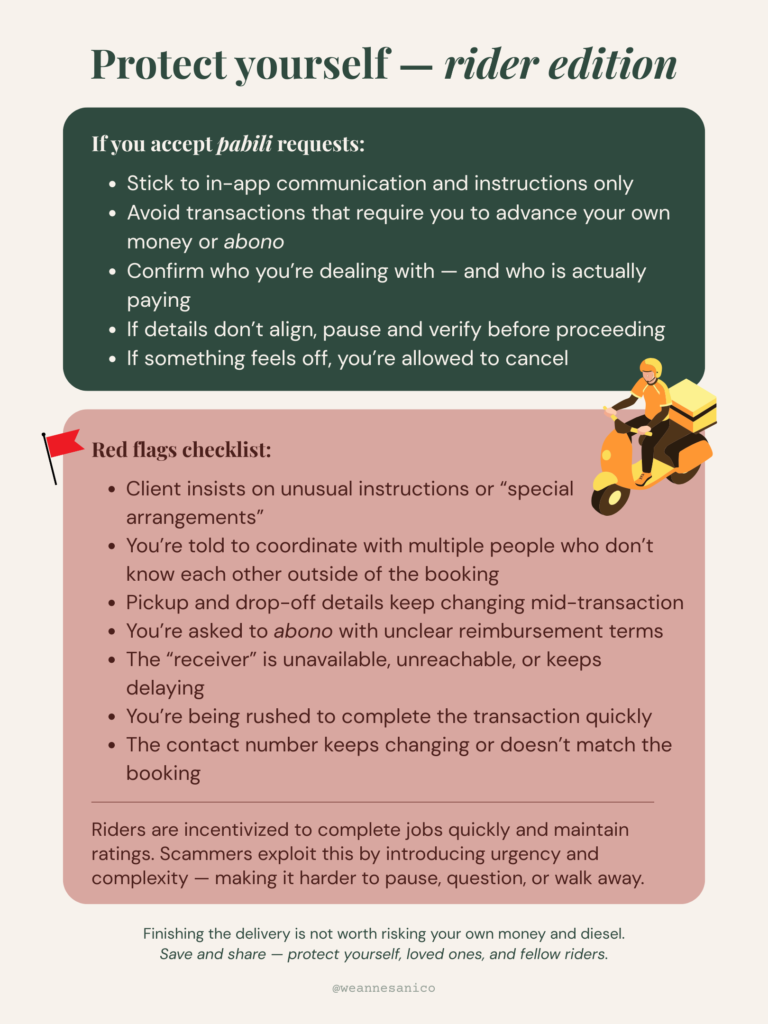
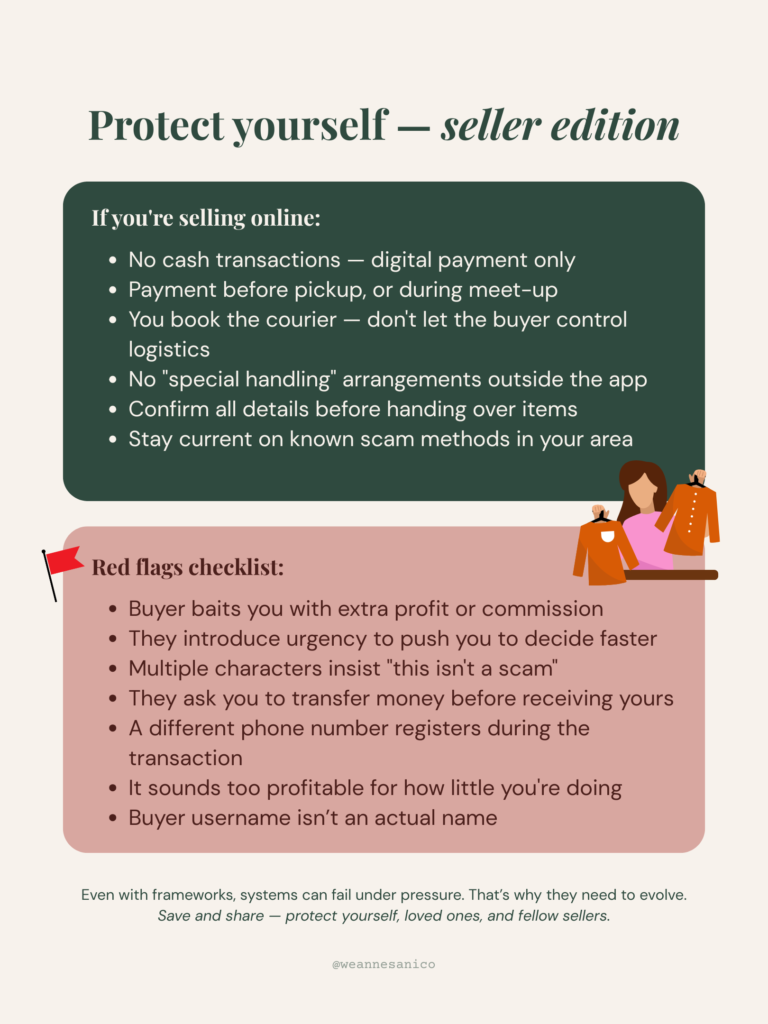
The bigger reframe
In project management, every risk gets a response: you avoid it, you transfer it, you mitigate it, or you consciously accept it. Most of us apply exactly one strategy to our personal and financial lives by default — acceptance. Not because we chose it, but because we never made the choice explicit.
Getting scammed didn’t make me more paranoid. It made me more deliberate about which risks in my life actually have a response plan, and which ones I’ve just been quietly hoping wouldn’t happen. Those are very different postures, and only one of them is actually a plan.
Moving by design, not by default.
#ScamAwareness #RiskManagement #PersonalFinance #LifeAsAProject #FinancialLiteracy